 English
 русский
 Español
 عربى
عربى
Product Consultation
Your email address will not be published. Required fields are marked *
Weighing displays play a critical role in measurement systems by converting signals from load cells or mechanical linkages into readable weight values. An Electronic Weighing Indicator represents the modern evolution of this function, while traditional mechanical displays rely on physical movement and analog mechanisms. Understanding the differences between these two technologies helps users choose the suitable solution for accuracy, efficiency, and long-term reliability in commercial and industrial applications.
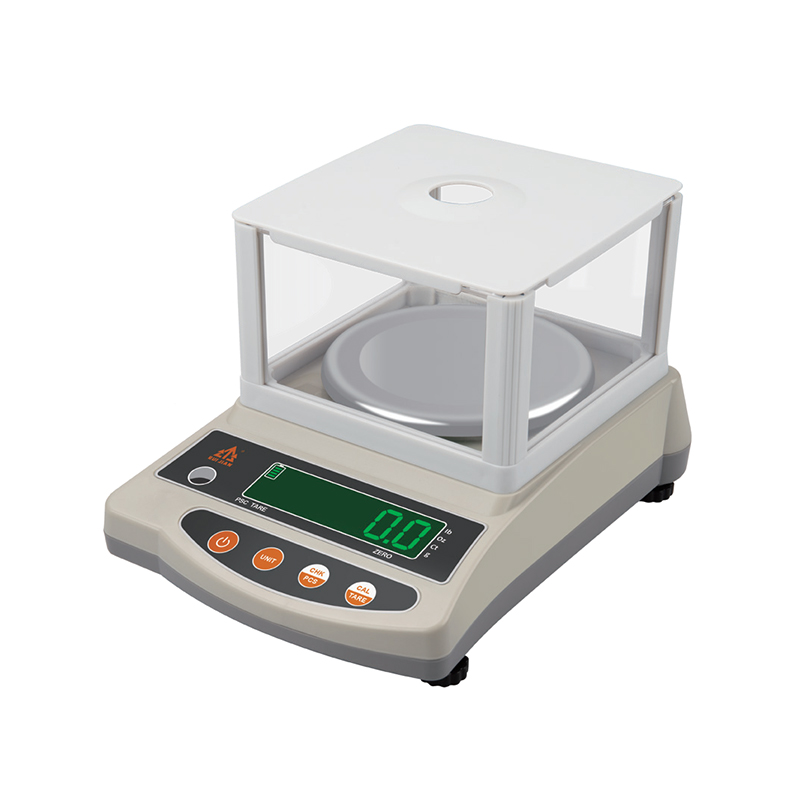
The fundamental difference lies in how weight is detected and processed. Electronic indicators use sensors and electronic circuits to convert load cell signals into digital data.
Because mechanical systems rely purely on physical components, they are more susceptible to wear and external influences, whereas electronic processing enables more stable and repeatable results.
Accuracy is a major consideration when comparing these two display types. Electronic indicators typically provide much higher resolution than mechanical counterparts.
As a result, electronic solutions are better suited for applications requiring precise measurement, such as laboratory work, industrial batching, and regulated commercial trade.
User experience differs significantly between electronic and mechanical displays. Modern electronic indicators are designed with clear digital interfaces.
This improved readability reduces operator fatigue and reduces the chance of reading errors during frequent measurements.
Electronic indicators offer a wide range of advanced features that mechanical displays cannot support.
Mechanical displays are limited to basic weight indication and lack the flexibility required for modern automated or data-driven environments.
Maintenance requirements differ notably between the two technologies.
Although electronic devices require protection from moisture and electrical interference, their overall maintenance demands are often lower when properly installed.
These factors make electronic solutions more adaptable to harsh industrial or outdoor environments.
While mechanical systems may suit simple or low-budget applications, electronic solutions often provide better return on investment in demanding use cases.
The differences between electronic and mechanical weighing displays extend beyond appearance to include accuracy, functionality, maintenance, and adaptability. An Electronic Weighing Indicator delivers good precision, advanced features, and integration capabilities that align with modern measurement needs. Traditional mechanical displays still have a place in basic applications, but for environments requiring efficiency, data handling, and reliable accuracy, electronic indicators represent a clear technological advantage.
Your email address will not be published. Required fields are marked *

No. 28, Xizhou Road, Chengxi New District, Yongkang City, Jinhua City, Zhejiang Province, China
Tel: +86-579-89025390
Phone: +86-15158920888
Fax: +86-579-87066918
E-mail: [email protected]
© 2024 Zhejiang Junkaishun Industrial and Trade Co., Ltd. All rights reserved.

Waterproof Commercial Electronic Scale